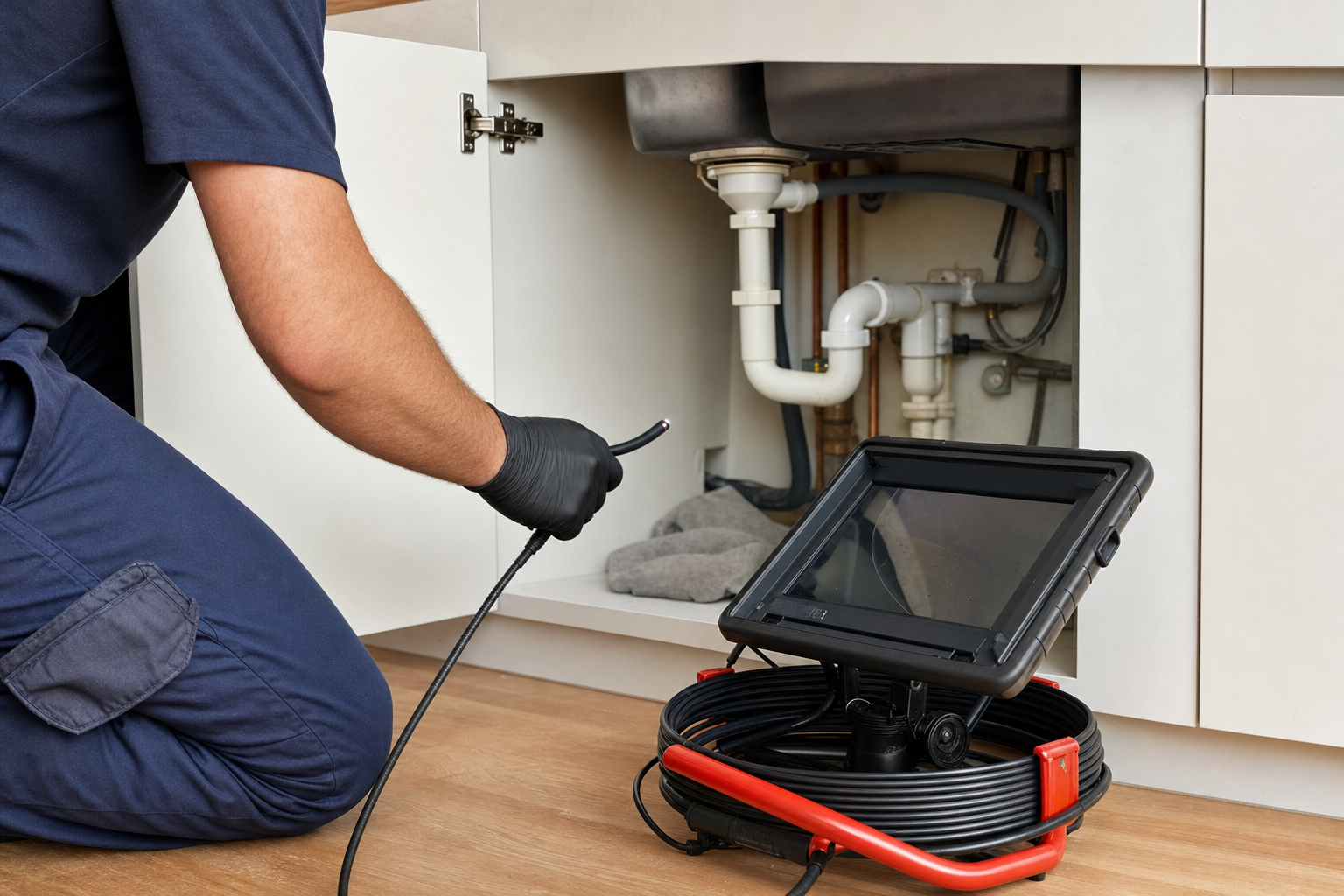
If you have a water leak in Hounslow, the safest first step is to treat it as a property protection issue rather than a minor plumbing fault. Even a small drip can lead to ceiling staining, damaged plaster, damp patches, pressure loss, mould growth and higher water bills. In some homes, the visible symptom is not the source of the leak at all, which is why careful leak detection matters before any repair is carried out.
Hounslow Plumbing helps customers across Hounslow with water leak repairs, leak detections, burst pipe repairs, leaking radiator repairs and leaking waste pipe repairs. The service is suitable for homeowners, landlords, tenants and property managers who need a practical response to a leak, whether the problem is obvious or hidden behind walls, floors or ceilings.
We work from the local area and support properties around Hounslow Central, Hounslow High Street, the Treaty Centre, Hounslow East and Osterley Park. If you are dealing with a leak now, contact us on 020 3519 7161 or use the website contact options before publishing any job-specific assumptions. Opening hours are by current availability.
For water leaks, the right approach is usually: make the area safe, identify the likely source, isolate water where possible, and then carry out a repair that matches the actual fault. That may sound straightforward, but in real properties the visible damage often appears several metres away from the leak source. A stain on the ceiling, for example, may come from a pipe joint, a radiator valve, a cold-water feed, a waste pipe or a failed seal in an upstairs bathroom.
Hounslow Plumbing’s page for water leaks is designed to give clear advice before a visit, explain the common symptoms, and outline what customers can do to reduce damage while waiting for help. If gas or heating pipework is involved, customers should ask for current Gas Safe details before any gas work is carried out. Do not attempt gas-related repairs yourself.
Leak Detections in Hounslow
Leak detection is often the first step when the source of water is not obvious. Many customers only notice the signs: a damp patch, a musty smell, a ceiling stain, a drop in boiler pressure, a patch of lifted flooring or a radiator that keeps losing pressure. In flats, the source may be in the property above or along a shared service route. In houses, the leak may be hidden under floors, behind kitchen units or inside a boxing-in area.
Typical leak detection work in Hounslow starts with a structured inspection of the symptoms and the most likely pipe routes. That can include checking visible pipework, taps, stopcocks, radiator valves, wastes, appliance connections, shower areas and under-sink joints. The aim is to narrow down the source before any invasive work is considered. This matters because opening the wrong area can create extra damage without solving the leak.
Practical customer preparation can make leak detection faster and less disruptive. If it is safe to do so, note where the first signs appeared, when the issue became noticeable, whether the leak worsens when certain appliances are used, and whether the boiler pressure is falling. Tenants should report the problem promptly to the landlord or managing agent, especially if water is affecting electrics, ceilings or neighbouring rooms. Landlords and property managers should keep access available to the most likely affected areas, including lofts, airing cupboards, under-stairs spaces and service cupboards.
In and around Hounslow, leak detection often needs to consider property age, layout and previous alterations. Older homes may have mixed pipe materials, while refurbished kitchens and bathrooms can conceal joints behind new finishes. Near busy local areas such as Hounslow High Street and the Treaty Centre, flats and converted buildings may also have shared pipe runs that need careful diagnosis. A sensible approach is to identify the leak source first, then decide whether a simple repair, a pipe replacement section or further investigation is needed.
If you suspect a hidden leak, avoid assuming that a stain is always caused by the room directly above. Water can travel along joists, pipe runs and floor voids before showing itself. That is why leak detection should be evidence-led rather than guesswork-led.
Water Leak Repairs in Hounslow
Once the source has been found, water leak repairs should be matched to the fault type. Some leaks are straightforward, such as a loose compression joint, a worn washer, a failed seal or a small split in exposed pipework. Others require more involved work, especially if the leak is inside a wall, under a floor or connected to an appliance or bathroom fitting.
Water leak repairs in Hounslow can include tightening or replacing fittings, replacing damaged pipe sections, renewing seals, repairing exposed pipework and making safe any water-damaged area before further work. The practical goal is to stop the leak, protect the property and reduce the chance of repeat failure. In many cases, the repair also needs to take account of nearby materials that may already have been affected by moisture, such as plasterboard, timber or flooring.
Customers often ask whether a leak can be repaired without major disruption. The answer depends on access and the condition of the pipework. If the leak is visible under a sink or behind a toilet, the repair may be relatively contained. If it is behind a tiled wall or beneath laminate flooring, the repair plan may need to balance access with minimising damage. A careful plumber will usually explain the options before starting work so the customer can decide how to proceed.
For homeowners, the main priority is usually stopping the leak before it causes wider damage. For landlords and property managers, there may also be a need to document the issue, coordinate access and ensure the repair is completed in a way that supports future maintenance. Tenants should not ignore even small leaks, because repeated drips can escalate into larger repairs and may affect other parts of the property.
Hounslow Plumbing also handles related plumbing services where leaks overlap with other faults, including plumber callouts, emergency plumbing, boiler repairs, boiler installations, central heating, underfloor heating, gas engineers and blocked drains. That matters because some leaks are not isolated plumbing issues. A pressure problem, for example, may involve heating pipework, while a damp patch near a waste route may be linked to drainage rather than a supply pipe.
Any customer dealing with a fresh leak should first reduce water flow if possible, place a container under visible drips where safe, protect nearby electrics and avoid lifting more flooring or cutting into walls than necessary. If the leak is active and worsening, contact 020 3519 7161 for current availability.
Burst Pipe Repairs in Hounslow
Burst pipes are one of the most urgent water leak problems because they can release a large volume of water very quickly. A burst pipe may happen after freezing conditions, corrosion, accidental damage during DIY work, a failed joint or long-term wear that finally gives way. The signs are often immediate: sudden water flow, rapid loss of pressure, flooding, soaked carpets, wet ceilings or water running through light fittings or down walls.
If a pipe bursts, the first priority is safety. Turn off the water supply at the stopcock or the nearest safe isolation point if you know where it is and can reach it without risk. Then reduce the chance of electrical damage by keeping clear of wet sockets, appliances and fittings. If water is affecting electrics or there is significant flooding, leave the area and seek urgent help from the appropriate emergency services or a qualified professional as needed.
Burst pipe repairs in Hounslow usually begin with isolating the affected section and assessing whether the pipe can be repaired locally or whether a replacement section is the safer option. The repair depends on pipe material, access, the extent of damage and whether the surrounding area has also been compromised. In some properties, a burst pipe may reveal wider corrosion or poor previous repairs, which is why a careful inspection after the immediate fix is important.
Customers in Hounslow Central, Hounslow East and the surrounding residential streets often need quick practical advice about what to do before the plumber arrives. Keep the stopcock accessible, do not restart water flow until the fault is understood, and photograph the damage if you need a record for a landlord, insurer or managing agent. If the burst pipe has affected a neighbour or a shared area, notify the relevant parties promptly.
Where heating pipework is involved, pressure loss may continue even after the visible water has been dried up. That is because the system may still be losing water through a hidden leak. In those cases, the repair may need to include the heating circuit, not just the visible damaged section. If any gas appliance or gas pipework is involved, customers should ask for current Gas Safe information before any gas work is started.
Leaking Radiator Repairs in Hounslow
Leaking radiators can be easy to miss at first because the fault may start as a tiny drip at a valve, bleed screw, pipe connection or seam. Over time, that small leak can leave rust marks, damp flooring, pressure loss or repeated topping up of the heating system. In winter, a radiator leak can become more noticeable because the system is used more often, but leaks can happen at any time of year.
Leaking radiator repairs in Hounslow may involve repairing or replacing valves, tightening fittings, renewing seals, addressing corrosion or replacing the radiator if the unit itself has failed. The correct repair depends on where the leak is coming from. A leak at the valve is different from a leak along the radiator body, and both are different from a leak in the connected heating pipework.
Common symptoms include a damp patch under the radiator, a smell of wet metal, brown staining, noise from the system, pressure loss on the boiler gauge and colder-than-normal heating performance. Some customers only notice the problem after seeing water marks on skirting boards or flooring. If the radiator is mounted above a finished floor, even a slow leak can cause hidden damage below the surface.
Before the visit, it helps to note whether the leak appears when the heating is on, whether the radiator has been recently bled, and whether the pressure drops after use. That information can help narrow the fault quickly. If the leak is active, do not keep refilling the system repeatedly without understanding the cause, because that can mask the problem and create further stress on the system.
In local homes and flats near Osterley Park and the wider Hounslow area, radiator leaks may also be linked to older heating systems, previous alterations or a mixture of old and new components. A practical repair approach should always focus on the cause, not just the visible drip.
Leaking Waste Pipe Repairs in Hounslow
Leaking waste pipes are another common source of hidden water damage. These leaks often appear under sinks, behind baths, around showers, near toilets or along appliance waste connections. Because waste water may only leak when a fixture is used, the problem can seem intermittent and may not show up during a quick visual check.
Leaking waste pipe repairs in Hounslow may involve replacing a damaged section, resealing a joint, correcting a misaligned connection or addressing a cracked trap or fitting. In bathrooms and kitchens, the leak may be caused by movement, poor installation, age-related wear or blockages that force water to escape at a weak point. If a leak is near a bathroom floor or kitchen unit, it can lead to swelling, staining and persistent odour if not dealt with quickly.
Customers often notice symptoms such as water pooling after washing up, dampness inside cupboards, staining on ceilings below bathrooms, a slow smell of stale water or signs of mould around pipe penetrations. In some cases, the issue can be linked to blocked drains or a partial blockage that is causing water to back up and escape from the weakest point. That is why waste pipe repairs sometimes need to be considered alongside drainage checks.
For landlords and property managers, waste pipe leaks are worth addressing promptly because they can affect multiple rooms, cause complaints from occupants and create avoidable repair costs if left unresolved. Tenants should report the issue as soon as they notice staining, dripping or odour, and avoid using the affected fitting heavily until it has been checked.
Hounslow Plumbing can also help where waste pipe leaks overlap with other plumbing faults, including blocked drains, bathroom fittings and kitchen plumbing. If you are unsure whether the issue is a supply leak or a waste leak, describe the symptoms clearly when you call. That helps the visit focus on the right area first.
Water leaks are rarely worth ignoring. Whether the issue is a hidden leak, a burst pipe, a leaking radiator or a waste pipe fault, the safest route is to get the source identified and repaired properly. If you need help in Hounslow, contact Hounslow Plumbing on 020 3519 7161 or via info@hounslow-plumbers.co.uk. You can also review the business location on the supplied Google Business Profile and visit the website at hounslow-plumbers.co.uk.
Before any visit, try to keep access clear to the affected room, stopcock, boiler cupboard, radiator valves, under-sink areas and any visible pipe runs. If the problem is affecting a landlord property or a managed building, share the symptoms, access details and any photos you have. The more accurate the starting information, the easier it is to diagnose the leak safely and efficiently.
For current availability and advice on water leaks in Hounslow, call 020 3519 7161 now.